
Your First Month Teaching Abroad: Surprising Realities and Success Tips
Your First Month Teaching Abroad: Surprising Realities and Success Tips
Adjusting to Life Abroad as a New TEFL Teacher
Moving abroad to teach isn’t just swapping your job - it pretty much flips your whole daily life upside down. That first week? Honestly, it can feel like every little thing is a challenge. Even finding out where to buy milk or how the buses work becomes a mini victory. (I remember my first Monday in Madrid, totally disoriented, jet-lagged, holding a crumpled paper map, determined to find the right metro - took me ages.) For most UK teachers, practical stuff adds up fast:- Time zone shifts hit hard and leave you staring at the ceiling at 3AM
- The supermarkets don’t stock the brands you know (and good luck finding cheddar cheese!)
- Sorting your SIM card or a local bank account, often with paperwork that might as well be written in code

- Nobody explains social etiquette. You learn after a few awkward slip-ups (like when I almost hugged a Thai colleague instead of giving a wai greeting - mortifying!)
- Meal times are different. Breakfast at 10am, dinner at 9pm - try convincing your British stomach to wait that long in Spain. It might protest.
- Finding “your people” just takes longer than you’d hope, which means the first couple weekends can feel weirdly empty
Pro Tip: Make one friend outside your school early - even if it’s just the friendly barista or the neighbour next door. It’ll make the city start to feel like yours much faster.
Classroom Realities: What Your TEFL Course Didn’t Cover
So, you’ve finished your TEFL course, memorised your lesson plans, practised your quick-fire ice-breakers. Then, you step into your very first class and - well, actually, it’s chaos. A bunch of students on their phones, some gossiping, and your “fun” warm-up activity is over in five awkward minutes. Nobody really talks about this bit. The training helps with the grammar and games, but real classrooms? They’re unpredictable, busy, and just plain loud sometimes. It’s like bombing on stage as a comedian, except you can’t just leave the room. From what I’ve seen, here’s what usually shocks new teachers:- Managing a class is never one-size-fits-all. What wins in Korea might flop in Argentina
- Schools don’t always spell out what they want. Some hand you the keys to invent everything... others want you glued to the textbook
- Students will test boundaries. Sometimes they throw cheeky questions at you (“Miss, do you have a boyfriend?”), sometimes it’s total silence
- Parents (especially in places like China or South Korea) are super involved - I’ve had more “Mum” WhatsApps in Beijing than back home, no joke
- Even a textbook “British accent” can trip up your students
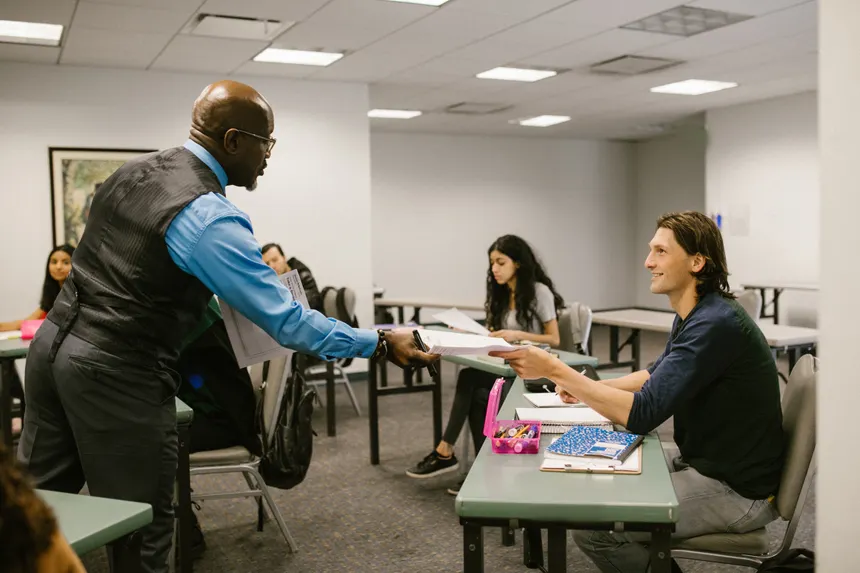
- Watch other teachers teach. You’ll pick up all the unwritten rules so much faster
- Don’t bluff - if you don’t know the answer, say so. Students prefer honesty
- Extra activities stashed in your bag are a lifesaver. Over-prepare so you’re never caught out
Comparing First Month Experiences: East Asia, Europe, and Latin America
Your first month can look completely different depending on where you land. Teaching in Seoul? Not the same world at all as starting out in Prague or Buenos Aires. There’s no one-size-fits-all story - and honestly, that’s a bit scary but also quite comforting. This is how the first month usually feels in the three most popular TEFL regions, at least from my experience (and the stories I hear from the TEFL Pro gang):| Region | Typical First Month Challenge | Biggest Reward |
|---|---|---|
| East Asia (e.g. South Korea, Japan, China) | Strict school policies, long hours, culture shock in daily life | High salaries (£1,600-£2,500/month), strong support from schools, vibrant expat communities |
| Europe (e.g. Spain, Italy, Czech Republic) | Unpredictable timetables, bureaucracy (visa, bank), finding affordable housing | Flexible work-life balance, chance to travel, close-knit school teams |
| Latin America (e.g. Mexico, Colombia, Chile) | Large class sizes, lower pay, sometimes limited resources | Warmth of students, relaxed atmosphere, rapid language learning |
Building Relationships with Colleagues and Students
Ask any teacher what really shapes their year - it’s always the people, not the textbooks. Building those connections isn’t always easy, though. Cultural rules sneak up on you. In some places, teachers keep a real distance. Other schools? You’re expected to be the fun foreign friend (cue exhaustion). Big schools, people stick to their own groups. Small teams, you might get invited to everything. Here’s what’s worked for me and loads of TEFL Pro grads:- Actively ask about people’s lives - family, food, football. Everyone has an opinion on at least one of those
- Don’t take it personally if people seem distant. Sometimes it’s shyness, sometimes people just need time
- Learn the basics of the language. Even “hello” and “thanks” goes a long way
- Respect people’s boundaries. Not every colleague wants to hang out after work - and that’s fine
Pro Tip: Push yourself to say yes to at least one after-work event, even if you’re tired. Those casual chats are when you start to feel at home.
With students, being reliable and treating them as individuals matters way more than being instantly “cool.” They’ll remember how you show up for them - not just your accent or your worksheet.
- Set your rules from the start, and keep them fair
- Celebrate mini wins - a single essay, someone brave enough to speak up, even punctuality counts
- Be patient. Some students take a while to warm up - especially if English isn’t their favourite
Managing the Emotional Rollercoaster: Homesickness and Culture Shock
Here’s something no recruiter will put in a brochure: your emotions might be all over the place. One day you’re buzzing after nailing a lesson, later you’re homesick and Googling flights home because you just want Marmite and BBC Radio 4. Culture shock creeps in quietly. It’s usually not dramatic. But by week three or four, when the excitement wears off and small things pile up, suddenly you miss home. Even the most confident teachers get hit by it. I remember bursting into tears over a broken kettle in Hanoi, convinced I’d made a huge mistake. (Spoiler: I hadn’t. But it felt real.) What actually helps?- Get into a routine - exercise and proper meals help keep you grounded
- Reach out to other expats, even if it feels awkward at first
- Let yourself be “British” when you need to - sometimes only a cuppa and a familiar book will do
Pro Tip: If you’re struggling, try talking to the school counsellor or a local support service. Asking for help isn’t a failure - most teachers who stick it out do so because they reached out early.
If you’re feeling stuck, check out our free TEFL resources or frequently asked questions for straight-talking, practical support."Culture shock is not a sign of failure. It’s a natural part of adapting to a new environment. The key is not to isolate yourself - talk to someone, whether it’s a local colleague or another foreign teacher."
- Dr. Rachel Lin, International School Counsellor
Essential Survival Tips for Your First Month Teaching Abroad
Let’s get practical. You want to make it through that first month with your sanity (and sense of humour) in one piece. Here’s what I wish I could say to every new TEFL teacher heading out from the UK:- Plan way more lessons than you think you’ll need. Classes never stick to your script
- Go simple for week one. Focus on getting to know your students, not blowing them away
- Always have a back-up activity - “20 questions” or some conversation cards
- Ask colleagues for their top tips (“How do you get quiet students to talk?” is a classic icebreaker)
- Give yourself downtime. Explore, but don’t feel bad if you just want a night in
- Start paperwork early. Visas, contracts, medical stuff - it all takes longer than you’d hope
Pro Tip: Carry a small notebook with you. Jot down new words, local quirks, or lesson ideas as they come. It’s a tiny life-saver when the first month is a blur.
Don’t forget to check those small things at school - what time you’re expected to arrive, how formal to dress, when and where people eat lunch. In some countries, staff lunch is a serious tradition. In others, you’re left hunting for a sandwich on your own.
And just remember: you can always reach out to our team at TEFL Pro for down-to-earth advice, or just to hear a British voice if you need it.
Expert Insights: First Month Success Rates and Common Pitfalls
You’re probably wondering, “How many teachers actually make it through that first month?” The numbers are pretty reassuring - over 85% of qualified TEFL teachers finish their first contract, but around 10% do leave after a month or two. Usually, it’s more about expectations clashing with reality than any failure on the job. Here’s what I’ve spotted as the main stumbling blocks:- Thinking teaching abroad is just a “paid holiday” - it can be brilliant, but it is work
- Forgetting how tiring it is to live and work in a new language
- Feeling like you’re the only one struggling, when actually, most people are just hiding it
- Not asking for help when lesson planning or classroom behaviour becomes a headache
And here’s the good news: most teachers say their best moments and strongest friendships happen right after week four. That’s when you start feeling less like a guest and more like you actually belong at school. If you want solid help with contracts, lesson planning, or what’s expected locally, check out our free TEFL resources or our teaching method for more info."Your first month will be hard, but that’s normal. The teachers who thrive are the ones who ask questions, stay flexible, and forgive themselves for early blunders."
- Harriet James, Senior Recruiter, TEFL Pro
Start Your TEFL Journey with Confidence: How to Prepare for Success
So, you’re getting ready to make the leap. Here’s the thing - you just can’t plan for every little curveball that might come your way in your first month. But you can set the stage for a good start by staying curious, asking questions, and accepting there’ll be mistakes (lots of them, and that’s okay). Before you fly out, double-check your documents, pack a few reminders of home, and try to make a connection with someone at your new home base (even if it’s just over Facebook or WhatsApp). If you’re still weighing up your options, have a look at our course fees and packages or the Level 5 TEFL certificate to see what’s possible.
Pro Tip: The best prep isn’t just about having the right paperwork or shoes. Get your head in the right place - expect to feel out of your depth, but also expect the best kind of personal growth. Every lesson, every awkward moment, every silly mistake builds your confidence over time.
If you want honest advice, real-life tips, or just a no-fluff view on what teaching abroad really feels like, get in touch with us at TEFL Pro. I’ve helped teachers settle in from Seoul to Santiago - and if you’re doubting yourself, remember: courage isn’t “no fear.” It’s taking the leap despite the nerves. See you in the staffroom."The biggest mistake is waiting until you feel ready. You’ll never feel 100% ready. The bravest thing you can do is start."
- Priya Patel, Student Success Manager, TEFL Pro