
Teaching Young Learners: Proven Classroom Games for Effective Learning
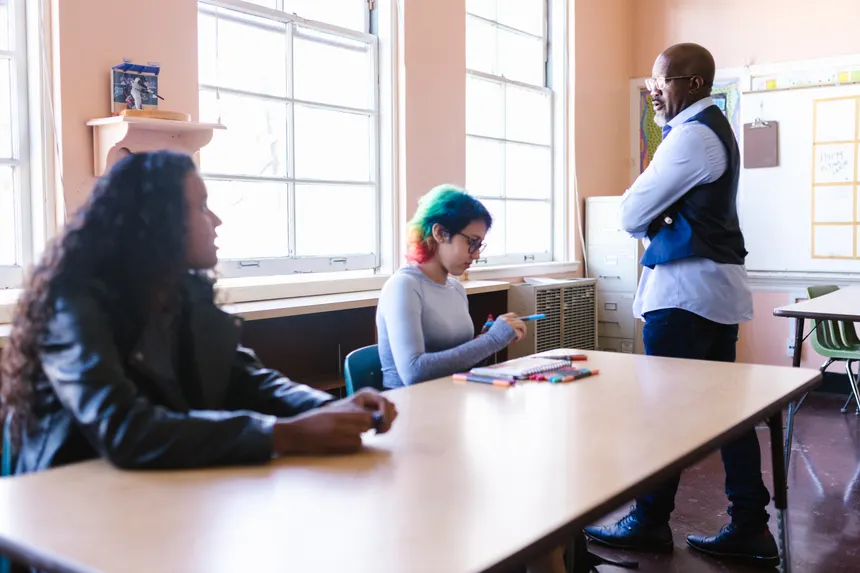
Why Games Matter in Teaching English to Young Learners
Honestly, if you’ve ever tried getting a group of six-year-olds to focus on the past simple right after lunch, you’ll know games aren’t just some “extra fun” in the primary classroom - they’re basically a lifeline. Let’s be real: games are what keep lessons moving and keep kids from crawling under tables (though, to be fair, that does happen now and then). When kids play, they’re switched on. They’re not just sitting - they’re busy listening, talking, running around, and (without even realising) picking up language as they go. Bit sneaky, but that’s the magic. From what I’ve seen, young children learn language best when they’re interacting, repeating, doing things together. Forget endless memorising. Games create a space where they’ve got a reason to communicate, and they actually want to. I once watched a class of eight-year-olds in Hanoi go from silent to loudly playing “Where’s the cat?” in perfect English, all because the game was a classroom scavenger hunt they desperately wanted to win.- Motivation: Games tap into kids’ curiosity and their natural urge to compete. Suddenly everyone wants to join in.
- Repetition without boredom: They don’t mind saying things over and over when it’s for points - no more groaning every time you repeat something.
- Safe space for mistakes: The pressure’s off. It’s easier to try, mess up, and try again when it’s all just part of the fun.
- Social skills: Teamwork, sharing, turn-taking - all those soft skills that matter in and out of the classroom.
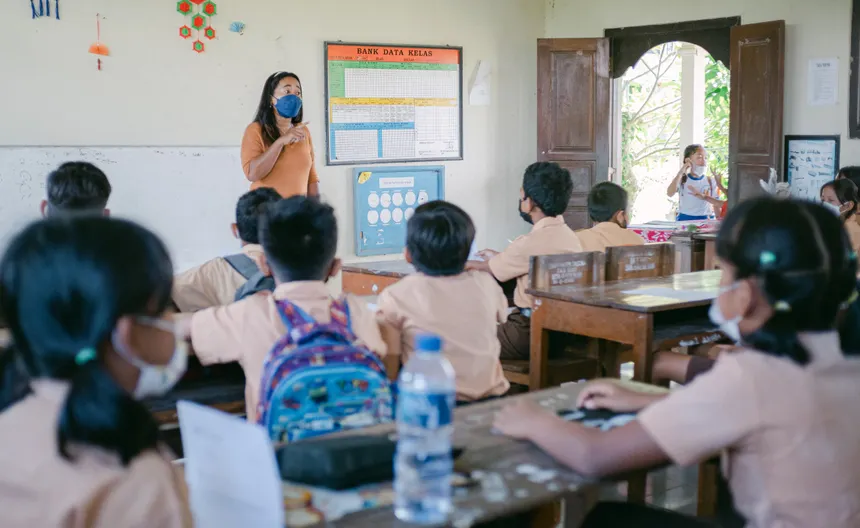
Top Five Classroom Games That Deliver Results
So, which games actually work out there in the real world - and not just in a Pinterest-perfect lesson? Here are five that I’ve seen succeed everywhere from Chiang Mai to Manchester. Every game hits different skills, but all of these have saved my lessons with even the wildest groups (Year 3 boys in Dublin spring to mind).- 1. Simon Says
This one’s a classic for a reason. Brilliant for getting verbs and classroom commands across. Kids have to listen and act fast, picking up language without even noticing. - 2. Vocabulary Bingo
Create bingo cards with new words or pictures. Fantastic for reviewing vocab. Plus, you get to sneak in some pronunciation checks as you call out the words. Kids go wild for “Bingo!” - 3. Hot Potato (with Q&A)
Pass a ball or any object around while music plays. When the music stops, whoever’s holding it answers a question or uses the target structure. Great for quick thinking and speaking out loud. - 4. Flashcard Splat
Lay the flashcards out. Call out a word, and kids race to slap the right card. Good for review, spelling, and listening - and honestly, you’d be surprised how much energy this burns off! - 5. Story Cubes
Roll dice with pictures. Students use the images to come up with group stories. It really gets the creativity (and the grammar) flowing.
Comparing Game Types: Active Versus Quiet Activities for Different Learners
Okay, that’s not entirely true - not every kid wants chaos. Some children thrive when they can run, shout, and compete. Others like things a bit quieter and more thoughtful. The best teachers mix both types - and know just when to switch. Here’s a quick breakdown:| Game Type | Best For | Example Games |
|---|---|---|
| Active | Kinesthetic learners, large groups, energy release | Simon Says, Flashcard Splat, Hot Potato |
| Quiet | Introverts, small groups, focused skills | Vocabulary Bingo, Story Cubes, Memory Games |
| Mixed / Flexible | Classes with varied needs, whole-class review | Pictionary, Charades, Guess Who? |
Adapting Games for Online and In-Person TEFL Classrooms
The pandemic really forced all of us to rethink what “classroom games” even means. Can Simon Says work on Zoom? Yes, it can - but it takes some creativity and, to be fair, a thick skin for chaos (half your class turning their camera upside-down, anyone?). Here’s how you can still make the classics work, wherever you are:- Simon Says: Use video and get kids moving. With big online groups, spotlight a few students to show off their actions.
- Vocabulary Bingo: Send digital cards or have students doodle their own. Use breakout rooms to make it less teacher-led.
- Hot Potato: Go for a virtual spinner to randomly pick students. In-person, just pass something around while the music plays.
- Flashcard Splat: Share your screen, use digital flashcards. Kids can shout, or “splat” using online tools.
- Story Cubes: Find a free online dice tool or send out pictures before class. Story-building can happen on a shared doc, too.

Expert Insights: What Successful TEFL Teachers Say About Game-Based Learning
You might be wondering - what do teachers actually think about using games? After years chatting with TEFL folks across 50 countries, I can tell you most agree: games aren’t just a sideshow. They’re the main event.Recent research backs this up too. A British Council survey from 2023 found 89% of young learner teachers saw “significantly higher” engagement and memory in lessons where structured games were used. And it’s not just about speaking - teamwork games actually help with behaviour and even attendance. On a personal note, I’ll never forget a lad in Ho Chi Minh City who’d never said a single English word all term - then blurted “blue pencil!” and his friends cheered like he’d just won the World Cup. Those moments really stay with you."Games are my go-to for breaking down barriers. When students are laughing, they’re learning - and they don’t even notice they’re practising English. My shyest students in Warsaw spoke more in one game of charades than in the previous four lessons combined."
- Marta Nowak, Primary Teacher, Poland
If you want the nitty-gritty details, our free TEFL resources section has all sorts of research and case studies on play-based learning."Game-based learning isn’t about filling time. It’s about creating opportunities for meaningful communication, risk-taking, and discovery - all of which are at the heart of language acquisition."
- Dr. Louise Hammond, Applied Linguistics Researcher
Common Mistakes to Avoid When Using Games in the TEFL Classroom
No one gets it right every time. I’ve made my fair share of game-day blunders (like when “Guess the Animal” in Barcelona turned into a shouting match over who was allowed to be the lion). The trick is figuring out what went wrong and doing better next time. Here are some of the big mistakes - and how to dodge them:- Not explaining the rules clearly: If students don’t “get it,” chaos follows. Always demo the game first, ideally using a volunteer.
- Choosing games that don’t fit your group: Huge, energetic class? Team games work best. Quiet, tiny group? Pairs or solo games are easier to manage.
- Letting winners dominate: Make an effort the hero. Switch up roles so everyone gets their turn to shine.
- Ignoring language targets: If the game doesn’t actually practise your aim, what’s the point?
- Overusing the same activity: Even the best games get old. Mix it up and keep things fresh.
And one more thing - you might not believe how passionate six-year-olds are about who gets to go first. Seriously. Quick “Rock, Paper, Scissors” at the start and you’re sorted."The key is structure. Games without clear boundaries or learning goals quickly become useless. Don’t be afraid to pause and reset if things get unruly."
- James Lee, Teacher Trainer, TEFL Pro
Boosting Student Participation: Tips for Inclusive and Fun Game Sessions
So how do you make sure everyone’s joining in - not just the loud ones? The best TEFL teachers use a few tricks to keep things open and fair.- Mix teams regularly: Don’t let the same groups stick together. Change things up to get everyone interacting.
- Use props and visuals: Stuff like flashcards, toys, or drawing boards help shy kids get involved too.
- Celebrate small wins: Praise creativity, teamwork and effort - not just right answers.
- Give thinking time: Don’t always rush for answers. Pause to let the quiet ones prepare.
- Model participation: Play the first round yourself. Kids love it when you look silly - it helps them relax.
Start Transforming Your TEFL Lessons With Engaging Games
If there’s one thing I’ve learnt after six years working with TEFL Pro graduates, it’s this: the teachers who really use games well are the ones whose students remember them (and their lessons) for years. Games don’t just fill up a lesson or keep the noise down. They actually turn learning English into something adventurous, exciting - and yes, sometimes a bit of a mess, but a good one. You really don’t need to invent something brand new. Just try one or two new games this week, tweak them for your class, and see how it goes. Trust me, student participation can jump overnight.If you want to nail these techniques - and get backup from people who’ve actually taught everywhere - check out our TEFL courses, the Level 5 TEFL certificate, or our packages. And if you’re curious, you can always learn more about how we teach or grab fresh ideas from our free TEFL resources. Games in the young learner classroom? Not just a “nice-to-have.” They’re the secret sauce that separates good teachers from the ones kids never forget. Why not give it a try?"A well-chosen game is a teaching tool, not a distraction. Get good at this, and you’ll have classrooms full of motivated, confident English speakers - no matter where you are in the world."
- Emily Foster, Senior Trainer, TEFL Pro