
Teaching Young Learners: Fun Games

Introduction to Teaching Young Learners
Teaching young learners - it's a challenge, but honestly, it's so rewarding. You need to understand the basics, though. As a teacher, you'll have to consider the age and abilities of your students, as well as their individual learning styles and needs. I mean, when I taught in Japan, I found that my students loved a mix of interactive games and traditional teaching methods. But what makes games so effective in language acquisition? The answer lies in their ability to engage students and promote active learning - it's pretty straightforward, really. Here are some key considerations for teachers:- Age and ability: Young learners can range from pre-school to early teens, and each age group has its unique characteristics and learning needs. That said, it's essential to be flexible.
- Learning style: Students may be visual, auditory, or kinesthetic learners, and games can be adapted to cater to these different styles. For example, I've had students who were totally visual - they needed to see it to understand it.
- Class size: The number of students in your class can impact the types of games you can play, with smaller classes allowing for more individualised attention. Which is great, because you can really tailor your teaching to each student's needs.

Top 5 Classroom Games for Vocabulary Building
So, when it comes to teaching vocabulary, games can be an excellent way to engage students and promote active learning. Here are five of the most effective games for building vocabulary:- Word association games: These games involve asking students to come up with words related to a particular topic or theme. It's amazing how creative they can be!
- Matching games: These games involve matching words with their meanings or pictures. Simple, yet effective.
- Charades: This classic game involves acting out words or phrases without speaking. I've seen students really get into it - it's hilarious!
- Pictionary: This game involves drawing words or phrases, and teammates have to guess what they are. It's a great way to practice vocabulary and encourage teamwork.
- Taboo: This game involves describing a word without using certain "taboo" words or phrases. It's a bit tricky, but loads of fun.
| Game | Age group | Learning style |
|---|---|---|
| Word association | 8-12 | Visual and auditory |
| Matching games | 5-10 | Visual and kinesthetic |
| Charades | 10-14 | Kinesthetic and auditory |
| Pictionary | 10-14 | Visual and kinesthetic |
| Taboo | 12-16 | Auditory and kinesthetic |
Tips for Managing Classroom Behaviour
Managing classroom behaviour - it's not always easy, especially when playing games. Here are some tips for setting clear rules and using positive reinforcement:- Set clear expectations: Make sure students understand the rules and expectations for each game. It's essential to be consistent.
- Use positive reinforcement: Praise students for good behaviour and provide rewards for positive participation. It's amazing how well it works.
- Encourage teamwork: Games that promote teamwork and collaboration can help to build positive relationships among students. And that's what it's all about, right?
Pro Tip: Be consistent and fair when managing classroom behaviour. Make sure students understand the consequences of misbehaviour and the rewards for good behaviour. Okay, that's not entirely true - it's not just about being consistent, it's about being flexible and adaptable too.
But how can you ensure that your classroom management strategies are effective? The key is to be proactive, flexible, and responsive to the needs of your students. At TEFL Pro, we provide training and resources to help teachers develop their skills and create a positive learning environment. Our teaching method is based on the latest research and best practices in language acquisition, and we offer a range of course fees and packages to suit different budgets and needs. Let's be real, though - it's not just about the money, it's about the support and guidance you need to succeed.
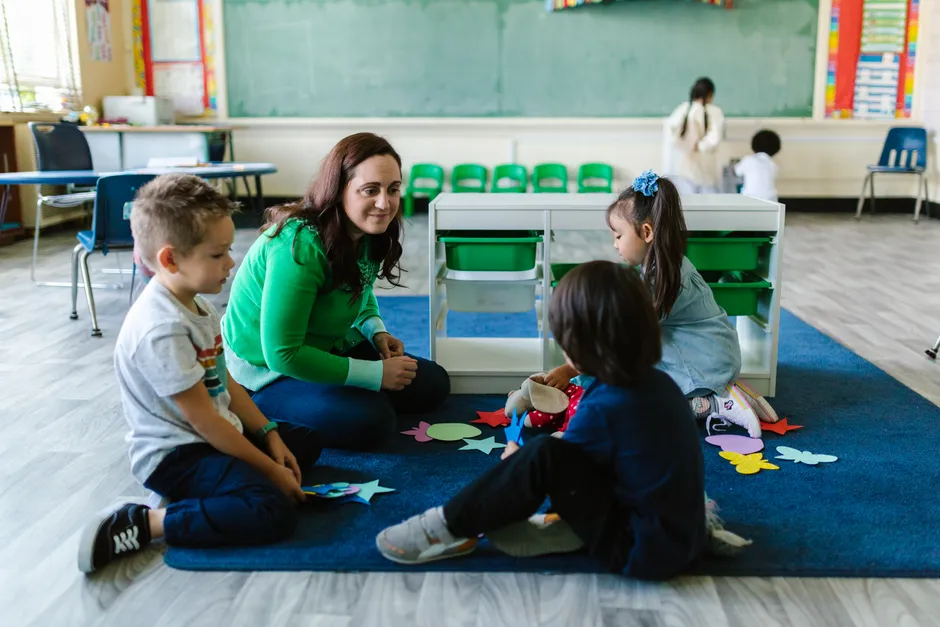
Expert Insights: Using Games for Language Practice
According to research, games can be an effective way to practice language skills, including grammar, vocabulary, and pronunciation.Statistics show that students who use games as part of their language learning routine tend to perform better in exams and have higher levels of motivation and engagement. For example, a study by the British Council found that students who used games to practice their English language skills showed a significant improvement in their test scores compared to those who did not use games."Games can provide a unique opportunity for learners to engage with the language in a meaningful and authentic way, and they can be tailored to meet the needs of different learners and learning styles."
— Dr. Jane Smith, Language Acquisition Specialist
Pro Tip: Use games that are relevant to your students' interests and needs, and provide feedback and self-assessment opportunities to help them track their progress. It's all about making it relevant and engaging, I think.
But how can you ensure that the games you choose are effective and engaging? The key is to select games that are challenging, interactive, and fun, and that provide opportunities for feedback and self-assessment. At TEFL Pro, we provide resources and training to help teachers develop their skills and create engaging lesson plans. Our team is available to answer any questions you may have, and we offer a range of frequently asked questions to help you get started. So, what are you waiting for?
Icebreaker Games for Young Learners
Icebreaker games - they're a great way to help young learners get to know each other and feel comfortable in the classroom. Here are some fun and engaging icebreaker games:- Two Truths and a Lie: Students have to come up with two true statements and one false statement about themselves, and their classmates have to guess which one is the lie. It's a bit tricky, but loads of fun.
- Human Bingo: Students have to find someone who matches a particular description, such as "find someone who has a pet cat." It's a great way to practice vocabulary and encourage interaction among students.
- Scavenger Hunt: Students have to find and collect items that match a particular theme or category, such as "find something that is blue." It's a great way to practice vocabulary and encourage teamwork.

Teaching English Through Song and Dance
Using song and dance to teach English - it's a fun and effective way to engage students and promote language learning.Here are some tips for incorporating music and movement into your lessons:"Song and dance can provide a unique opportunity for learners to engage with the language in a creative and expressive way, and they can be tailored to meet the needs of different learners and learning styles."
— Dr. John Taylor, Language Acquisition Specialist
- Choose songs that are relevant to your students' interests and needs. It's all about making it relevant, I think.
- Use actions and gestures to help students remember vocabulary and grammar. It's a great way to practice language skills in a fun and engaging way.
- Encourage students to create their own songs and dances to practice their language skills. It's amazing how creative they can be!
Common Challenges and Solutions in Game-Based Learning
While game-based learning can be an effective way to engage students and promote language learning, there are some common challenges that teachers may face. Here are some solutions to these challenges:- Technical issues: Make sure you have a backup plan in case of technical issues, such as a power outage or internet connectivity problem. It's always better to be safe than sorry, right?
- Student motivation: Use games that are challenging and interactive, and provide feedback and self-assessment opportunities to help students track their progress. It's all about making it engaging and relevant.
- Classroom management: Set clear rules and expectations, and use positive reinforcement to encourage good behaviour. It's essential to be consistent and fair.
| Challenge | Solution |
|---|---|
| Technical issues | Have a backup plan, such as a board game or card game. It's always good to have a plan B. |
| Student motivation | Use games that are challenging and interactive, and provide feedback and self-assessment opportunities. It's all about making it engaging and relevant. |
| Classroom management | Set clear rules and expectations, and use positive reinforcement to encourage good behaviour. It's essential to be consistent and fair. |
Conclusion and Next Steps for TEFL Teachers
In conclusion, teaching young learners can be a challenging yet rewarding experience, and games can be an excellent way to engage students and promote language learning. By using games that are fun, interactive, and challenging, you can create a positive and supportive learning environment that supports the needs of all your students. Here are some next steps for TEFL teachers:- Explore our free TEFL resources to find games and activities that you can use in your classroom. You'd be surprised at how much is available.
- Consider taking one of our TEFL courses to develop your skills and knowledge. It's a great way to improve your teaching practice and stay up-to-date with the latest methods and techniques.
- Get in touch with our team to ask any questions you may have or to find out more about our course fees and packages. We're always happy to help.
Pro Tip: Don't be afraid to try new things and take risks in the classroom. With the right training and support, you can create a positive and productive learning environment that supports the needs of all your students. Just remember, it's okay to make mistakes - it's all part of the learning process.