
Teaching Pronunciation: Effective Methods and Classroom Techniques

Understanding the Importance of Pronunciation in TEFL Classrooms

- Strong vocab and grammar honestly won’t save students in the wild if no one understands them.
- Mispronunciation leads to misunderstandings - sometimes pretty embarrassing or hilarious ones (one time in Manchester, a student earnestly asked for a “sheet” of cake - still makes me smile).
- Regular pronunciation work actually builds listening skills too. It helps students catch native-speed, messy, connected speech out in the real world.
- Participation goes up. Students who trust their voices are way more likely to speak.
- And clear pronunciation makes a difference for exams, presentations, and any sort of work communication.
Pro Tip: Slot pronunciation into every lesson, but keep it chill. Treat it like warm-up stretches before sport - not a slap on the wrist for “mistakes”.
If you want to see your learners really improve, set aside time for pronunciation practice every single week. Your students (and their future bosses, mates, even baristas) will be grateful.
Core Pronunciation Features to Focus on with English Learners
Let’s be real: pronunciation teaching doesn’t mean forcing everyone to memorise the IPA or sound like a BBC anchor. If you’re switching careers into TEFL from the UK, put your efforts where it really makes a difference. The main things to zero in on:- Word Stress: English loves picking out key syllables (“pho-TO-graph”, “pho-TOG-ra-pher”). Miss the beat and suddenly you’re hard to follow.
- Sentence Stress and Rhythm: English is all about stress timing - some words stand out, others kind of get squashed in (“I’d LIKE a cup OF tea”).
- Intonation: That up-and-down pitch that shapes meaning. I once had this student in Warsaw whose “polite” requests sounded like army commands until we spent time on intonation. Changed everything.
- Problem Sounds: These depend on your students’ first language. But the usual suspects? /θ/ in “think”, /ð/ in “that”, getting “v” and “w” straight, and the classic “ship” vs “sheep”.
- Connected Speech: Linking, squashed syllables, dropped letters - like saying “gonna” instead of “going to”. The reason students think native speakers are mumbling half the time.
- Don’t get hung up on “fixing” every accent quirk. Stick to the ones that block real understanding.
- Target features that matter for communicating globally, not just what sounds local or “British”.
- Model normal, clear speech. Don’t obsess over making it perfect, though.
Comparing Pronunciation Teaching Methods for TEFL Success
So, which pronunciation method actually delivers? Honestly, there’s no magic answer. TEFL’s full of different approaches, from good old-fashioned drills to the latest apps. The trick is learning when each one works for your group. Here’s a quick snapshot of the most-used ways:| Method | Advantages | Best for... |
|---|---|---|
| Audio-Lingual Drilling | Gets students used to the sounds; works well for tough noises; easy with a big class | Beginners, kids, classes that need lots of listening practice |
| Communicative Activities | Feels like real life; learners use pronunciation naturally as they talk | Intermediate/advanced students, adults, business English |
| Minimal Pairs | Pinpoints confusing sounds; sharpens ear for details | All ages, especially students who mix up “l” and “r” or similar |
| Phonemic Awareness & IPA | Shows students what to look for; makes self-study easier with dictionaries | Keen adults, exam classes |
| Technology (apps, recording) | Instant feedback; lets students practise alone; helps track improvement | Teens, adults, tech fans, one-to-one classes |
Essential Techniques for Teaching Pronunciation in Diverse Classrooms
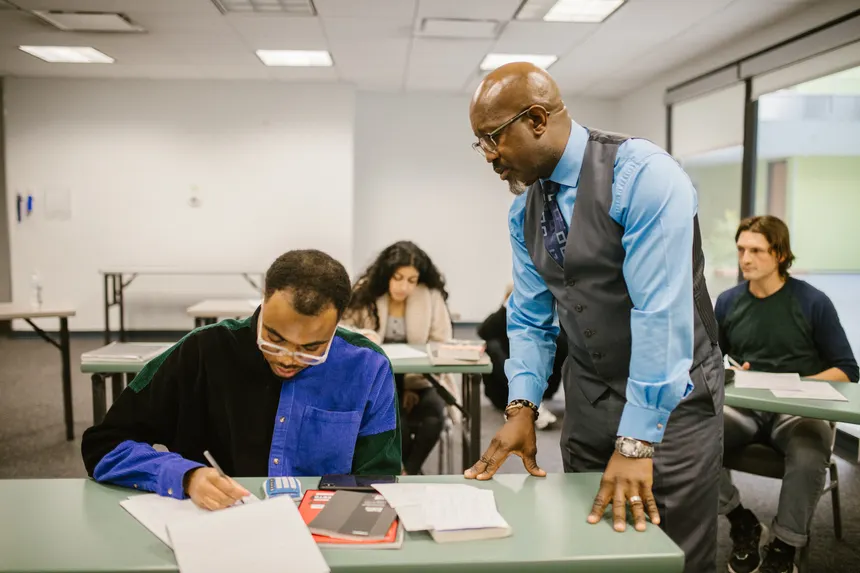
- Choral Drilling: Get the whole class repeating after you. Low pressure, more confidence. Switch up the speed, volume, or even the mood to keep it interesting.
- Minimal Pairs: Try “ship” vs “sheep” or “walk” vs “work” - great for helping students spot and pronounce tricky sounds. Make it a game - “Stand up if you hear ‘ship’!” always gets a laugh.
- Backchaining: Start with the last bit of a word or phrase and work backwards (“-tion”, “na-tion”, “sta-tion”). It makes long words much less scary.
- Recording & Playback: Let students use their phones to record themselves, then play it back compared to your model. It’s awkward at first, but honestly, it works wonders.
- Physical Movement: Use your hands for stress or intonation, show how to move the mouth. Gets people out of their seats and makes it less nerve-wracking.
- Integrate Tech: Use pronunciation apps, YouTube videos, or online dictionaries with audio. Just remember, tech is the helper - not the teacher.
Pro Tip: Don’t jump in to correct every single pronunciation slip in real time. Focus on repeated, serious errors that really block understanding. Too much correction just squashes confidence.
Need some hands-on resources? free TEFL resources at TEFL Pro include printable minimal pair cards, stress pattern activities, and a list of recommended tech apps for your lessons.
- Keep pronunciation tasks short (2 - 5 minutes) - little bursts work best
- Use personal examples with your students’ own names or hobbies
- Combine listening and speaking - don’t just stick to “repeat after me”
- Give specific praise for improvement and effort, not just “getting it right”
Practical Activities and Games to Engage English Learners
Pronunciation doesn’t have to be a slog. Some of the biggest leaps I’ve seen in the classroom have come from silly five-minute games instead of “serious” drills. In Ho Chi Minh City, my teenage group went wild for “Tongue Twister Races” - the louder, the better. Here are a few practical and fun pronunciation games for both adults and kids:- Minimal Pairs Bingo: Make bingo cards with words that students mix up (“cat”, “cut”, “cot”). Call out words - they listen and mark what they hear. Prizes for anyone who wins first, obviously.
- Tongue Twister Battles: Students pair up and try to say phrases like “Thirty-three thieves thought that they thrilled the throne”. Not just about speed - the clearest speaker wins.
- Stress Hunt: Read a short text or dialogue. Students clap or raise their hands when they hear a stressed word or syllable.
- Intonation Chart Race: Draw rising and falling line patterns on the board. Say sentences - students race to pick the right intonation curve.
- Sound Detective: Play a few audio clips with tricky sounds. Students write down what sound they hear or shout it out.
Pro Tip: Always show students how the activity works first - even tongue twisters. Don’t be shy about making mistakes yourself. It helps your class relax.
Need more ideas? Free TEFL resources on our TEFL Pro site give you ready-made games and audio clips for pronunciation.
- Keep it fast - don’t let games drag
- Mix up partners and groups to boost confidence
- Use real-life phrases and typical situations - it sticks better that way
- Reward effort, not just perfect answers - the goal is progress
Expert Perspectives on Overcoming Pronunciation Teaching Challenges

Here’s what pops up most often - and how to handle it:"The secret is to make pronunciation a regular, low-pressure habit, not an occasional ordeal. Students need frequent, gentle correction and plenty of chances to succeed."
- Dr. Louise Armstrong, ELT Researcher, University of York
- Learner Inhibition: Loads of adults dread making weird new sounds. Try group practice, funny games, and a bit of humour. Takes the edge off.
- First Language Interference: Old habits die hard. So, start with the most vital sounds for communication; use minimal pairs and listening tasks to help the process.
- Inconsistent Correction: Go overboard correcting and students freeze up; ignore errors and they stick forever. Be gentle with big, repeating errors. Let the minor stuff go in fluency tasks.
- Lack of Materials: Sometimes you just don’t have resources. Use free TEFL resources or make simple activities that connect to your students’ lives.
And here’s a stat most people miss: even spending just 10 minutes a week on pronunciation (every week, not crammed in at the end) boosts clarity by around 30% over a term compared to skipping it. That’s huge, right? So, even a small, steady effort pays off."Pronunciation is a skill, not a subject. The more students use it, the better they get - but only if they feel safe to experiment and fail occasionally."
- Rachel Tan, Senior Teacher Trainer, TEFL Pro
Insights from Experienced TEFL Professionals on Pronunciation Instruction
I’ve spent years chatting to teachers, hearing what gets results at TEFL Pro. There’s no magic formula, but experienced TEFL pros tend to stick to a handful of core ideas that work again and again.Here’s what the veterans usually swear by:"My breakthrough came when I stopped trying to make everyone sound British and focused on being understood. The moment students realised they could keep their accent and still communicate, their confidence shot up."
- James O’Connell, Senior EFL Teacher, Warsaw
- Model normal, clear speech. But don’t demand “perfect” RP from everyone (most people don’t have it anyway!)
- Use your students’ names and real examples for stress and intonation - it’s way more memorable
- Give specific, regular praise (“Nice job on the /θ/!”) instead of just “well done”
- Mix up drilling, games, and real-life use every single week
- Don’t be scared to mess up and laugh about it - students love seeing their teacher is human too
- Record students at the start and end of term. Play it back. The jump in progress? Super motivating for everyone.
- Our TEFL courses offer pronunciation modules with real classroom demonstrations
- FAQs cover pronunciation worries for those new to teaching
- Get in touch with us if you want personalised ideas for your situation
Start Your TEFL Journey: Building Confidence in Teaching Pronunciation
So, you want to nail pronunciation teaching - but you’re not quite sure where to take the first step? You’re in good company. Every TEFL teacher learns by doing (I know I did). The more you try out these techniques, the more natural and simple it all feels. Building confidence for pronunciation lessons isn’t about having a linguistics degree, or even a perfectly posh accent. It’s about tuning in to your students’ needs, using what works, and making pronunciation a steady, positive fixture in your classes. And honestly, if you want support, it’s there.
Pro Tip: Don’t worry about “re-learning” your own accent quirks. Record yourself doing some tricky sounds. Not sure if it’s right? Check with a colleague or grab a trustworthy pronunciation app.
If you want a step-by-step plan, our TEFL courses at TEFL Pro feature hands-on pronunciation training, actual classroom recordings, and feedback from trainers with years in the field.
- Grab printable practice materials and games in our free TEFL resources
- Have a look at Level 5 TEFL certificate options if you need credentials that get noticed globally
- Go over course fees and packages to find what actually fits your life