
Teaching English in Turkey: Opportunities Between Europe and Asia
Why Teach English in Turkey? Unique Prospects for UK Career Changers
Let’s be honest: if your job back home is draining the life out of you, Turkey has to be one of the most exciting alternatives out there. Not just because people love to call it a “bridge between Europe and Asia” (although, have you ever stood on the Bosphorus in Istanbul? That cliché actually does make sense for once). The landscape, the pace, even the way people eat breakfast - it all really is shaped by that crossroads vibe. And the education scene? Completely different from what you may be used to. I’ll never forget my first day in Izmir. I realised straight away how much people want to learn English - private schools, sure, but also language centres and university campuses, even inside buzzing office towers. Loads of Turkish parents (and, to be fair, plenty of young professionals) see English as a real ticket to better careers, studying overseas, or just getting a foot in the world. If you’re a native speaker from the UK, especially with a British accent, you’ll get attention here. That’s not hype - I’ve seen it first-hand. But there’s a lot more to it than just job prospects. If you’re up for change, adventure, and a daily routine that’s nothing like the UK’s, Turkey fits the bill. Maybe you’ll spend Saturday hiking in Cappadocia and Sunday people-watching in an Istanbul café. And at some point, you’ll probably be invited round to a student’s house for dinner, where refusing extra baklava is practically impossible (seriously, pace yourself). So, why does Turkey stand out for teaching English?- Cultural Variety: You get a bit of everything. One lesson you’re doing British festivals, the next you might be breaking the Ramadan fast alongside your class. Keeps you on your toes!
- Affordability: Life here is way cheaper than London, Paris, or Berlin. Especially outside Istanbul, your pay gets you a lot further.
- Warmth: Turkish hospitality isn’t just a saying. I’ve honestly never felt so welcomed anywhere else - and I’ve taught in four different countries.
- Demand: There’s no shortage of students hungry to learn. English is a massive deal for anyone dreaming big here.
- Travel: Black Sea coast, Mediterranean sun, ancient ruins everywhere. Perfect for spending your days off exploring, if that’s your thing.

Understanding Turkey’s TEFL Job Market and Requirements
Let’s get into the nuts and bolts. Before you hop on a flight to Istanbul or Antalya, it genuinely helps to know what Turkish schools actually look for when they’re hiring. Here’s what’s on offer job-wise in Turkey:- Private language schools (dil kursu): These make up most of the market. Lessons for kids, adults, businesspeople - and often scheduled across mornings, evenings, and weekends.
- Private K-12 schools (kolej): Well-known bilingual schools, usually with better pay and perks. They expect a bit more from you, but it’s worth it.
- Universities: Mostly found in the big cities. Good salaries, solid benefits - but you’ll have to stand out to get in.
- Corporate/business English: Teaching in companies, mostly in Istanbul/Ankara/Izmir. Great if you’ve got any business experience to add in.
- Private tutoring: Many teachers pick up extra lessons this way - after a few months, word of mouth can really boost your income.
- TEFL Qualification: A Level 5 TEFL certificate is your best bet. Some schools will accept a 120-hour online version, but honestly, a practical course makes getting hired so much easier (well, actually, it makes teaching easier too - trust me).
- Degree: Sometimes optional. For the top jobs (universities and the best schools), you’ll need one, but the subject isn’t usually a big deal.
- Experience: Beginners aren’t shut out here. But, having some experience - even if it’s just UK tutoring or a year abroad - can make a real difference.
- Clear spoken English: Native-level speaking is a must, and British nationals really are in demand.
- Istanbul: Most jobs, most competition, and the highest rents - but never boring.
- Ankara: Official capital. Not as crowded as Istanbul, but lots of schools and universities. Smaller expat scene, but often friendlier.
- Izmir: By the sea, relaxed pace, and a business scene on the up. Super livable.
- Antalya, Bursa, and Eskisehir: Mid-size cities where you get more local flavour and cheaper living (I loved the pace in Bursa, personally).
Comparing Teaching in Turkey with Other European and Asian Destinations
Right, you’re probably wondering: how does Turkey stack up against other TEFL hotspots? Let’s break it down so you can see where Turkey wins and where it doesn’t.| Country | Average Monthly Salary | Cost of Living (1-bed city flat) | Work-Life Balance | Visa Ease |
|---|---|---|---|---|
| Turkey | £700-£1,200 | £200-£350 | Good (fewer contact hours) | Moderate (employer-sponsored) |
| Spain | £900-£1,400 | £500-£800 | Varies (split shifts common) | Challenging for non-EU Brits |
| South Korea | £1,300-£1,800 | £300-£450 | Intense (full days, extra duties) | Well-structured, but paperwork heavy |
| Georgia | £350-£700 | £150-£250 | Easy-going | Very easy (visa-free for Brits) |
| UAE | £1,800-£2,800 | £700-£1,500 | Demanding, but high pay | Strict (requires degree & experience) |
Essential Tips for Securing an English Teaching Job in Turkey
If you want your application to stand out, forget just shooting off a standard UK-style CV. Turkish schools are looking for teachers who show they can actually adapt - not just teach. What makes a difference? Here’s what really works (and what doesn’t, in my experience):- Shape your CV to spotlight flexibility and cultural skills. Schools want teachers who get how things work in a new setting, not just classroom experts.
- Add a passport-style photo - trust me, leaving it out is a big no-no here.
- Be upfront about when you’re available and where you’re willing to move. If you’re open to smaller cities, say so! It can be a huge plus.
- References are a big deal. Got a UK school or work reference? Include it. Turkish employers actually check, and sometimes double-check.
- Any classroom experience helps. Even volunteering, or anything where you ran groups, coached, presented - highlight those skills!
- Keep your TEFL certificate and degree scan ready - schools want to see them.
- Have a sample lesson plan handy. They might ask to see it.
- Sort out your criminal record check as soon as you can. Turkish visas take a while, and this paperwork delays a lot of Brits.
- Ask about help with finding accommodation; most legit schools will at least get you started.
Navigating Turkish Culture and Classroom Expectations
Here’s the thing - if you walk in expecting students in smart uniforms calling you “Sir” while sitting in perfect silence, you might be in for a shock. Turkish classrooms are lively. Warm, sometimes loud, and genuinely friendly. Students are mostly respectful, but also love testing your limits. From what I’ve learnt, these are the keys to fitting in:- Formality: Teachers (“Hoca”) get a lot of respect, but don’t be surprised if kids ask about your family or offer food during lessons. Relationships are friendlier than the UK, and I mean that in a good way.
- Hierarchy: School management calls the shots. Don’t expect too much independence right away.
- Punctuality: Time runs on, well, “Turkish time.” Meetings and lessons can start late, and “five minutes” is just a guess.
- Hospitality: Get ready to drink more tea (çay) than you thought possible. Always accept - it’s about building trust.
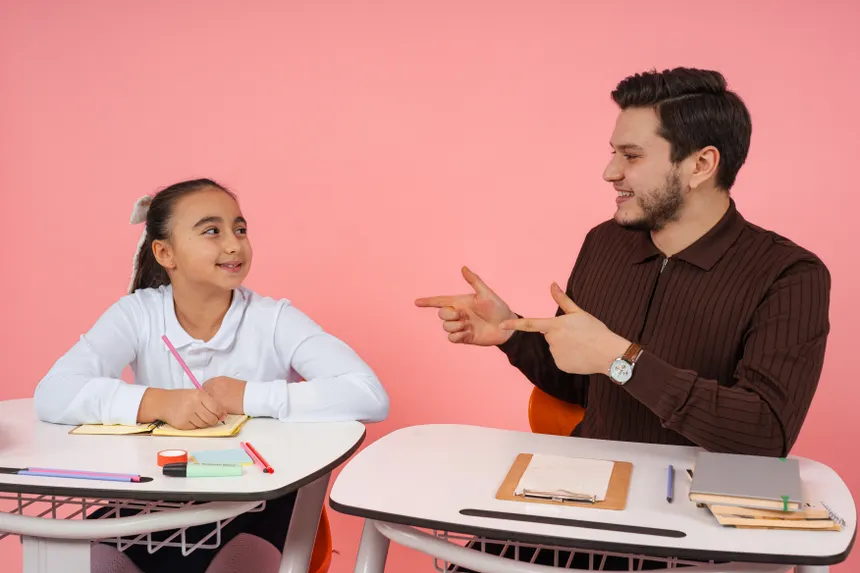
Discipline can be a challenge in bigger classes, especially after students have had a long day at regular school. I used a points and rewards system - nothing fancy, but it worked wonders with younger students."Turkish students respond best to teachers who are open, approachable, and not afraid to laugh at themselves. If you show you care, they’ll work hard for you."
- Elif K., Senior English Teacher, Izmir Koleji
- Join in on school trips or events - makes a big difference bonding with everyone.
- Don’t be shy about asking Turkish colleagues for guidance. Usually they’re thrilled you asked and go out of their way to help.
- Patience is your friend. Bureaucracy and last-minute changes are normal here, both in schools and in life.
Expert Perspectives: TEFL Success Stories and Market Insights
Let’s put some real numbers and stories into the mix. Demand for English teachers in Turkey has been climbing for years - nearly a third more people enrolled in English courses since 2018, according to the Ministry of Education. Just Istanbul has more than 500 private language schools, and even smaller cities are seeing new language centres pop up all the time.
Statistically, most teaching jobs are filled within three weeks of applying, and hiring peaks around September and October. British teachers with a Level 5 TEFL certificate are definitely in demand. Over half of UK teachers we surveyed at TEFL Pro said they renewed their contract and stayed on for at least a second year."When I left Birmingham for Istanbul, I thought I’d stay a year. That was seven years ago. The community of teachers here is supportive, and Turkish students are a joy to teach - genuinely eager to learn. The market is competitive, but if you’re qualified and proactive, you’ll never be out of work."
- Sarah Mitchell, TEFL Trainer, Istanbul
Another thing: more parents and schools want teachers for younger kids, plus they’re after “real life” English, not just grammar. If you can make lessons interactive, or you’ve got experience prepping for IELTS or TOEFL, you’re worth your weight in gold."The main thing is flexibility. Turkish schools want teachers who can adapt - to different ages, to last-minute timetable changes, and to the occasional power cut in mid-summer. If you’re up for that, you’ll do well."
- Mehmet A., Recruitment Manager, Izmir Language Centre
Thriving as a UK Expat Teacher in Turkey: Real-Life Advice
So you’ve got the job, learned your bus route, can finally order a kebab without using Google, and the school bell doesn’t make you jump anymore. What next? Here’s what I (and plenty of others) wish we’d been told:- Don’t get stuck hanging out only with other expats. Turkish friends are your ticket to the real country - the best food, the hidden spots, and a whole world no tourist guide can touch.
- Keep money aside for little bits of bureaucracy. Residency, health insurance, or that random fee you didn’t expect - part of the deal here.
- Make an effort with your Turkish, even if it’s just “good morning” or a bit of football chat. Especially with older teachers and parents, it’ll open so many doors.
- Say yes to invitations, even when you’re not sure. I ended up at a Black Sea wedding wearing a borrowed suit, still have no idea how to dance properly, but it’s one of my favourite memories.
"I was nervous about moving to Izmir, but the support from local teachers and my school made all the difference. It’s not always easy, but the rewards - in friendships and professional growth - are massive."
- Tom L., British English Teacher, Izmir
Your Path to Teaching English in Turkey: Next Steps for UK Career Changers
Ready to swap the grind of spreadsheets for something with real meaning? Turkey’s one of those rare places that gives you both adventure and a real sense of doing some good. Honestly, it can be tough at times - but for Brits looking for purpose (and a bit of actual sunshine), it’s a great move. Here’s how to get going:- Get certified with a recognised TEFL provider. Our courses are tailored for career changers - you’ll get everything you need.
- Put together a sharp CV and a short video intro. Mention how adaptable and culturally curious you are - plus any training, coaching, or teaching.
- Read up on different Turkish cities and think about which one feels right. Don’t ignore smaller cities; they’re great for getting settled.
- Apply direct to reputable schools and stick to the trusted job boards. Skip anything that seems too easy or too good to be true.
- Get your documents sorted early (degree, TEFL cert, criminal record check).
- Ask for help. You can always talk with us or join the alumni group for advice and friendly faces.