
Teaching English in Poland: Job Opportunities and European Lifestyle Insights
Why Poland is a Hotspot for English Teaching Jobs
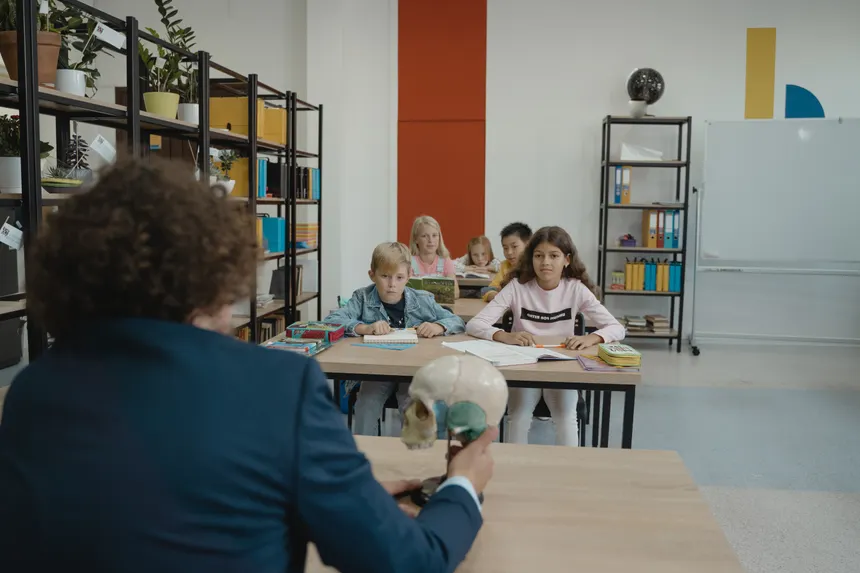
If you’d asked me a decade ago where the biggest buzz for English teachers was in Central Europe, I honestly wouldn’t have guessed Poland. I probably would have said somewhere like Hungary or the Czech Republic. But here’s the thing - Poland has quietly shot past both. Every single time I rock up in Warsaw or Kraków, it hits me again how eager people are to use their English. I mean, you hear it in classrooms, sure, but also in the queue for coffee, shops, and - especially - in business offices. So what’s behind it all? Well, Poland’s economy hasn’t just found its feet since the EU days - it’s grown like mad, faster than most of Europe. More and more international companies are popping up here, which has a knock-on effect: loads of adults need better business English, fast. And the schools? English is on the curriculum quite young, but ask any Polish parent and they’ll tell you those extra private lessons are pure gold for their kids. The private language schools are booming. I remember running a Saturday morning class in Łódź with a group of eight-year-olds. Half their parents were engineers or doctors, all keen for their kids to study abroad one day. Here’s a quick look at where teaching jobs are popping up in Poland:- Private language schools (usually the biggest employers, especially in the bigger cities)
- State and private primary and secondary schools
- International schools (mainly in Warsaw, Kraków, and Poznań)
- Corporate language training (either in-house at companies or via agencies)
- Private tutoring (some in person, but online tutoring is definitely growing too)
Navigating Work Requirements and TEFL Certification in Poland
Okay, let’s get into the nuts and bolts. Since Brexit, sorting paperwork as a Brit got a little more fiddly. But honestly, teaching legally in Poland is very doable. I’ve helped quite a few Brits make the move (one lad from Sheffield thought a “work permit” was just a suggestion - it really isn’t). To land a teaching job in Poland, you’ll usually need:- A valid work permit (unless you’re an EU citizen, then you’re sorted)
- A visa (a national or work visa - tourist visas won’t cut it)
- A recognised TEFL or TESOL certificate (Level 5 is your best bet)
- Sometimes a university degree (not always, but it does open doors)
- A clean criminal record certificate
Pro Tip: Always check if your school is registered with the Polish Ministry of Education. If they aren’t, don’t take the risk. Too many teachers end up with dodgy contracts or no contract at all.
When it comes to qualifications, your Level 5 TEFL certificate is the golden ticket. Most schools won’t even glance at your CV without one, and anyone serious about teaching in Europe treats it as the baseline. If you’re still picking where to get certified, check out our TEFL courses - we really dig into Poland-specific stuff like lesson planning and classroom management.
A couple more things you’ll want to tick off:
- Translate all documents into Polish (employers usually know a sworn translator who can help)
- Sort your health insurance - public cover is decent, but private is quicker and not expensive
- Keep both digital and hard copies of everything (I once had to show my original TEFL certificate at a border in Katowice - nearly lost a week’s wages over that...)
Comparing English Teaching Opportunities in Poland and Other European Countries
So, how does Poland measure up against its neighbours for English jobs? People ask me this about once a week. I’ve actually taught in Prague, Budapest, and even spent a short winter in Bratislava, so I know the ins and outs pretty well. Let’s line things up:| Country | Average Monthly Salary (GBP) | Typical Employer Types | Work Culture & Perks |
|---|---|---|---|
| Poland | £800 - £1,200 | Language schools, state schools, private tuition, corporate | Supportive, professional development, social events |
| Czech Republic | £750 - £1,100 | Language schools, state schools, private tuition | Relaxed, less formal, fewer corporate gigs |
| Hungary | £600 - £900 | Language schools, private tuition | Traditional, hierarchical, fewer resources |
| Germany | £1,200 - £2,000 | Language schools, Volkshochschule, corporate, international schools | Regimented, higher expectations, stricter requirements |

Adapting to the Polish Lifestyle: Culture, Cost of Living, and Community
Living in Poland isn’t just about landing a job - it’s a whole new pace of life. The thing that hits most teachers first? The tempo. Things work smoothly enough, but no one’s rushing. Shops close on Sundays, family meals can go on forever, and stopping for a sweet treat mid-afternoon is seen as totally normal. Honestly, it took me a while to get used to it after city life in the UK. Cost of living is honestly one of the biggest draws. In places like Wrocław or Poznań, grabbing a slick city-centre flat might only set you back £450 a month, sometimes less. Groceries are cheap, trams and buses always seem to work (monthly pass is about £20), and festivals or open-air events are everywhere come spring. One time I spent a whole weekend at a Kraków jazz festival - tickets, food and a couple of drinks for under £30. Try that in Manchester. Here’s what I’d suggest for settling in:- Pick up a handful of Polish phrases (locals genuinely appreciate the effort, even if your accent is all over the place)
- Don’t miss the food - pierogi, żurek, and Polish doughnuts (pączki). Forget counting calories.
- Brace for the seasons - winters are chilly but magical if you like a bit of snow
- Jump into expat or language meet-ups (Facebook groups are everywhere, but the best chats happen at a local café)
- Respect local customs - name days, Easter, and All Saints’ Day matter way more than you might think
Pro Tip: Don’t just stick to the expat bubble. Take a chance and say "yes" when a colleague or neighbour invites you round. That’s the quickest way to feel like you actually belong.
And if you’re ever stuck for lesson ideas or just how to get by, free TEFL resources can help with everything from lesson plans to local quirks. Or just walk into a bakery and ask what’s fresh - you’ll get a grin, maybe even a sample.
Top Tips for Securing an English Teaching Job in Poland
Got your certificate and ready to dive in? Here’s the honest truth - standing out takes more than just decent grades. I must have looked over hundreds of job applications from teachers wanting to work in Poland, and most are...well, a bit boring. What makes you pop?- Customise your CV for each school - mention anything relating to Polish or Central European learners
- Add a professional but friendly photo (it’s expected in Poland - but leave out pets and sunglasses)
- Highlight experience with business English or exam classes (think Cambridge, IELTS, all that)
- Write a brief, warm cover email - show you actually know their school and say why you want Poland
- Be ready to demo a lesson (online or in person, nearly always part of the interview)
Pro Tip: Get your references sorted early. Polish schools usually want to check these before they’ll send you a contract.
Yes, your interviewer’s English may well be better than your Polish (sometimes, honestly, better than your English). Be clear, stay confident, and keep it simple. If they ask for a demo lesson, make it lively and hands-on. I once watched a teacher explain present simple entirely with rubber ducks. It worked, somehow.
Other ways to up your odds:
- Apply as early as you can - May to August is peak season, but January’s good too
- Be flexible about locations - smaller cities might mean less competition and a much bigger welcome
- Drop a quick, polite follow-up if you don’t hear back after a week
- Ask what professional development they offer - schools love teachers who keep learning
Expert Insights: Trends in Polish English Education
The numbers back up what you’ll spot in real-life classrooms. As of recent stats, over 85% of Polish upper secondary students are now learning English as their main foreign language. That’s a massive jump from 2005. Plus, private language schools have mushroomed by almost 40% in the last ten years. Why? Poland’s workforce is way more global now - loads of international firms want staff who can chat confidently in English. There’s been a real shift: English isn’t just a school subject anymore. It’s your ticket to a better job, travel, even higher wages.Another trend I keep seeing? More adults looking for one-to-one or small group lessons. Especially business English, interview prep, or fine-tuning their accent. Remote teaching really took off during the pandemic and, to be fair, it’s still popular - especially in smaller towns. Poland’s ahead of the curve with tech too. Many schools expect you to be comfortable with online platforms (think Google Classroom, MS Teams - the usual suspects). Tech skills get you noticed, plain and simple. Some quick facts to keep in mind:"Polish students are some of the most motivated I’ve ever taught. It’s not just about exams - families see English as a life skill. That makes it a really rewarding place to teach."
- Sophie Davies, Director of Studies, Kraków Language Centre
- Average class: 8 - 12 in private schools, 20 - 25 in state schools
- Best hiring periods: May - August, and December - January
- Most in-demand cities: Warsaw, Kraków, Wrocław, Poznań, but don’t ignore the east
Success Stories: Firsthand Accounts from UK Teachers in Poland
Here’s the thing - you can hear it from me, but nothing beats hearing from those who’ve taken the leap themselves. Take Emily, for example. She swapped a marketing job in London for the classroom in Wrocław three years back. I caught up with her over coffee last autumn and she told me:James, from Leeds, found things a bit bumpy at first. But he hung in there and now heads up corporate English training for a tech company in Warsaw. Local teachers really helped him settle, he says. Bit of a team effort."I thought I’d miss the buzz of London, but the pace of life here is perfect. My students are eager, my rent is half what I used to pay, and I finally have time to travel at weekends. If you’re on the fence, just do it."
- Emily Scott, English Teacher, Wrocław
Pro Tip: Keep a journal in your early months. Poland throws up surprises (like snow in April). Jotting it down helps you spot your progress - and it makes for good stories later.
A handful of tips from UK teachers already working in Poland:
- Don’t be shy about asking for help - people will gladly walk you through customs or tricky paperwork
- Say "yes" to all the staff outings, even when you’d rather stay in (it really does help you fit in)
- Travel when you can - Tatra mountains, the Baltic, or a city like Lublin will give you a whole new take on Poland
- Be ready to adapt - Polish students want structure but love a good game or big discussion too

Your Pathway to Teaching in Poland: Next Steps for UK Career Changers
So, is Poland a good fit for you? If you want a job with meaning, affordable living, and a real shot at building something lasting in Europe, it’s honestly tough to beat. Demand for English teachers isn’t slowing down. And schools genuinely want fresh faces and new ideas. Here’s my short list if you’re serious about making the move:- Start researching schools and vacancies in the cities you like best
- Get your Level 5 TEFL certificate sorted (it opens most doors, to be fair)
- Prep your CV, get solid references, and pick a friendly application photo
- Brush up on some basic Polish and key customs
- Set aside savings for the first two months (for rent deposit, getting around, etc.)
- Jump on a call with TEFL Pro for one-to-one advice or check frequently asked questions