
Teaching English in Poland: Demand, Lifestyle and Career Pathways

Why Poland is Becoming a Top Destination for English Teachers
When I first started thinking about ditching my spreadsheets for a classroom, Poland honestly wasn’t anywhere near the top of my list. I thought about Spain, Italy, maybe even the Czech Republic if I was feeling adventurous. But Poland? To be fair, it didn’t even cross my mind. Fast-forward about ten years, and now it’s genuinely one of the hottest spots for TEFL teachers in Europe. The demand for English teachers in Poland has just exploded lately. You can thank (or blame, depending on your view) the growth of international business, EU integration, and a whole generation of parents who see English as a golden ticket for their kids. If you wander around Warsaw or Kraków, you can’t miss the English language schools nestled between coffee shops and tech start-ups. And it’s not just adults keen to spruce up their CVs. Kids start English as young as six, and everywhere you look, bilingual nurseries are opening up.- Business English is absolutely massive - companies are always on the hunt for employees with solid English skills.
- State schools, private schools, and language academies all want native-level speakers, all year round.
- There’s a government push to ramp up English proficiency, especially in the big cities.
- Summer camps and conversation clubs pop up every holiday like nobody’s business.
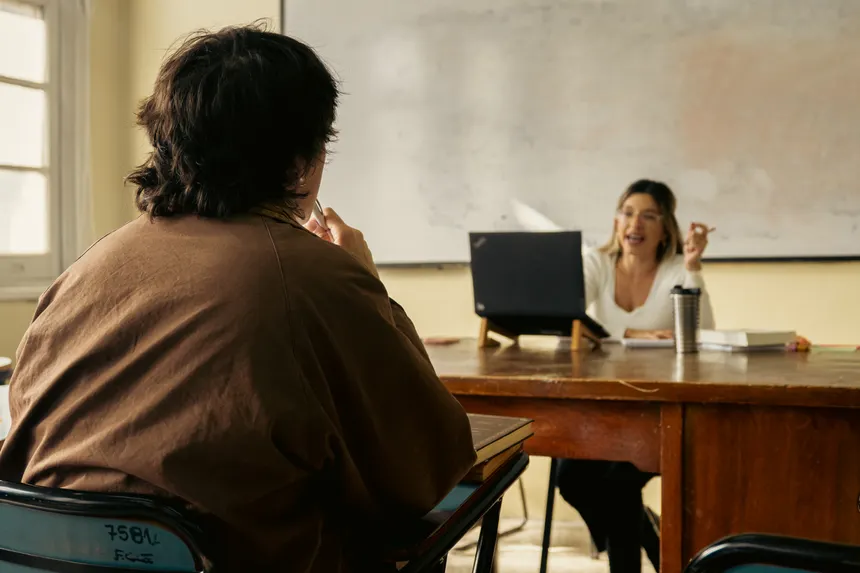
- English is now seen as a must-have skill for young Poles who want global careers.
- Foreign investment has pumped up the number of language schools and boosted corporate training.
- Polish cities just hit this sweet spot between tradition and a fast-paced modern buzz.
Qualifications Needed to Teach English in Poland
Thinking this all sounds good? Here’s what you actually need to teach English in Poland. It’s honestly not as tricky as people think, but there are a couple of things you can’t really skip. Most schools and private employers will look for:- A proper TEFL qualification (at least 120 hours; a Level 5 TEFL certificate will really help you stand out)
- Fluent or near-native English
- A bachelor’s degree (any major works - it doesn’t have to be teaching or English)
- EU citizens practically breeze through the red tape.
- UK citizens need a work permit (your school usually sorts this - you just sign).
- Private lessons and freelance gigs are everywhere - just double-check your visa’s small print.
Pro Tip: Polish employers love documents. Keep digital copies of your TEFL certificate, degree, and references handy on your laptop - you’ll be asked for them more than once.
I still remember a school in Łódź asking me for a certified translation of my degree. That cost me about £15 and an afternoon chasing down a translator, but it was worth it for a decent teaching job.
And if you’re starting from scratch? Do yourself a favour and check out our TEFL courses. We’ve designed them with the European scene in mind - practical stuff, real classroom skills, and Polish schools recognise them.
Comparing Teaching Opportunities: Poland vs Other European Countries
You’re probably wondering: how does Poland measure up versus places like Spain, Italy, or Germany? I’ve taught in all sorts of European classrooms, both Central and Western, and let me tell you - the differences are bigger than you’d think. Let’s break it down:- Demand: Poland’s need for English teachers is shooting up, while the Western European job market has slowed right down (lots of teachers, fewer jobs).
- Salaries: Sure, not as high as Germany or France, but your pay stretches much further. Rent in Warsaw is a bargain compared to Madrid or Paris.
- Work Culture: Polish schools often offer more hours and longer contracts, especially if you show up and stick around. There’s less of the “seasonal hiring circus” you find in Spain or Italy.
- Lifestyle: City life with a slower, friendlier pace, loads of festivals, and fantastic travel links all over Europe. And don’t get me started on pierogi.
| Country | Average Monthly Salary (£) | Cost of Living Index | English Teacher Demand | Work Permit Difficulty |
|---|---|---|---|---|
| Poland | 900-1,400 | 47 | High | Low-Medium |
| Spain | 1,000-1,500 | 59 | Medium | Medium |
| Italy | 1,000-1,400 | 60 | Medium | Medium |
| Germany | 1,600-2,100 | 66 | Low | High |
The Polish Classroom: What to Expect from Students and Schools
Now, this bit is where Poland really stands out. I’ve taught in eight countries, and I can honestly say Polish classrooms are some of the most lively - and sometimes just a bit bonkers - I’ve come across. The thing most British teachers pick up right away? The mix of formality and warmth. Students might call you “teacher” or use your surname, but don’t be shocked if they invite you out for coffee after class. There’s a real hunger to learn, especially from the teens and young professionals.- State Schools: Bigger classes (20-30), quite formal, fixed lessons. Brilliant if you love structure.
- Private Language Schools: Smaller groups, loads more freedom with lesson style, students of all ages from tiny kids to retirees.
- Business English: Usually on company sites, just adults, lots of focus on speaking and presentations.
- International and Bilingual Schools: Higher salaries, longer days, and more forms to fill in - but you get more support too.
- Summer Camps: Seasonal, high-energy, great for anyone wanting a quick taste or a “gap year” adventure.
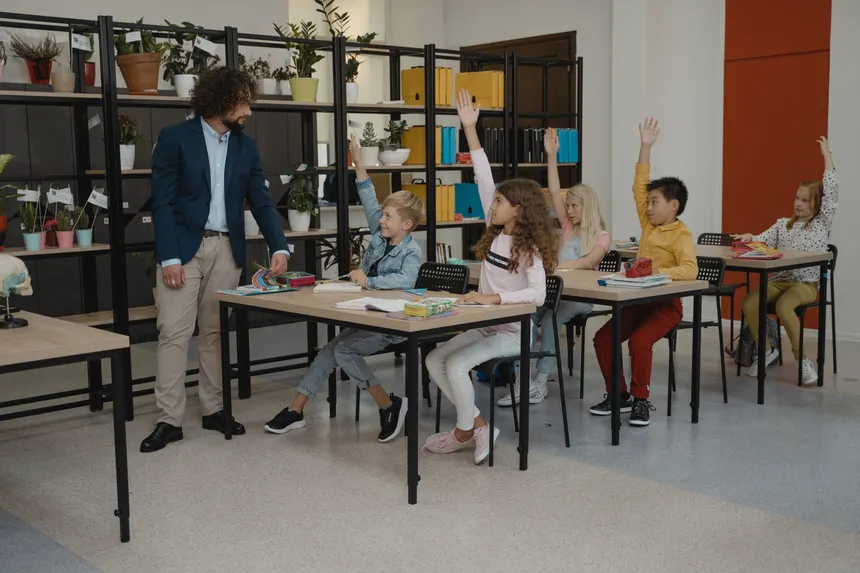
Schools go from ultra-modern to seriously old-school. Some have smartboards and iPads, others still use chalkboards. Adaptability will get you far."Polish students are some of the most motivated I’ve taught. They want real-world English, not just grammar drills. If you bring enthusiasm and practical activities, you’ll be a hit."
- Joanna Nowak, Director, English Academy Kraków
- Expect regular feedback and someone popping in to watch your lessons - not to catch you out, just to keep things up to scratch.
- There are lots of school trips and big “English days”; getting stuck in earns you brownie points fast.
- Dress smart, especially at the beginning - first impressions matter a lot here.
Living in Poland: Embracing the European Lifestyle
Here’s the thing: living in Poland is about way more than just work. There are peaceful evenings along the Vistula in Kraków, bustling Sunday markets in Wrocław, and so many national holidays that you’ll lose count (I still do). The cost of living is a huge bonus. Renting a modern flat in a nice part of Poznań or Gdańsk will set you back around £300-£450 a month. Groceries and eating out? Super affordable. Public transport is a bargain, so you’ve got more left for travel, savings, or, let’s be real, a few extra nights out.- Brilliant, cheap public transport - trams, buses, even city bikes almost everywhere.
- Comfort food heaven (think pierogi, żurek, and endless cakes and pastries).
- Festivals left and right - jazz in Warsaw, Christmas markets in every square, you name it.
- Europe is right at your doorstep - Berlin, Prague, Vienna, all easy trips.
- Expats everywhere, especially in the bigger towns and cities.
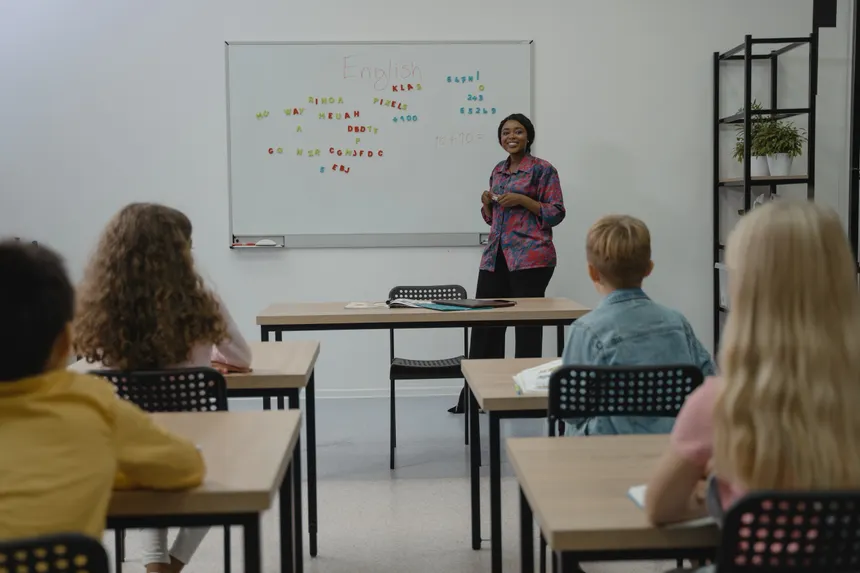
Pro Tip: Most big Polish cities have “multicultural centres” offering free language swaps, social meetups, and help for new arrivals. Great for meeting people and getting the inside scoop.
One of my favourite memories: my first Christmas Eve in Warsaw. My landlord dragged me (nicely!) to dinner with his family for the traditional twelve dishes. I barely understood the jokes, but I’ve never eaten so well.
Success Stories: Insights from UK Teachers in Poland
You don’t have to take my word for it - I’ve mentored loads of UK teachers who made the leap, and their stories are as different as the cities they ended up in. Let’s talk about Sarah, an ex-HR manager from Bristol. She landed in Gdańsk with only basic Polish and a serious case of first-day nerves. One year later? She’s running her own conversation club and is the go-to coach for English in the local start-up scene. Or there’s Tom, a former engineer from Leeds. He swapped the M62 for Kraków’s tramlines. Now he’s teaching Business English to software developers and, over a coffee last March, told me: “I never thought I’d enjoy work this much.” (Honestly, I get where he’s coming from.)What keeps coming up?"Moving to Poland was the best decision I ever made. I’ve got a real sense of purpose, work-life balance, and I’ve learned to love winter for the first time!"
- Sarah W., English Teacher, Gdańsk
- Polish employers care about reliability and attitude just as much as your certificates.
- Most teachers get great support from their schools with visas, paperwork, and settling in.
- Private tutoring can be a real earner (especially for exam help or business students).
- The social life is cracking, especially in bigger places with expat get-togethers.
You can find more stories and tips from TEFL Pro alumni in our free TEFL resources."I started with group classes in a language school, then picked up private students by word of mouth. Within six months, I was fully booked."
- Tom S., Business English Tutor, Kraków
Industry Trends: Job Market Growth and Salary Expectations
Here’s where it gets interesting. The Polish TEFL job market has grown by roughly 20% since 2020, and, from what I’ve seen, it’s not slowing down. English is now the number one foreign language in Polish schools, and more employers than ever are looking for teachers with proper certificates. Average monthly pay for full-time English teachers in Poland:- Language schools: £900-£1,200
- State schools: £1,000-£1,300
- Business English/private gigs: £1,200-£1,700 (if you’re experienced or have a niche, you can do even better)
- Private tutoring: £15-£25 an hour
- Over 35,000 English teaching jobs advertised in Poland each year.
- About 90% of employers now want a TEFL, CELTA or something similar.
- Young adults (18-35) are now the fastest-growing group of language learners.
I’ve seen teachers arrive in September and have a packed timetable by October. Not like in some parts of southern Europe, where you can wait ages just to scrape together enough hours. And if you’re thinking about your next step? Poland’s English language scene looks set to keep growing, with EU funds and private money both flowing in."We’re seeing more demand than ever, especially for teachers who can bring practical, communicative skills into the classroom. The market is wide open for qualified applicants."
- Magda Zielinska, HR Manager, SpeakUp School, Warsaw
How to Start Your TEFL Journey to Poland from the UK
Tempted by the idea of swapping drizzle for dumplings (who isn’t)? Here’s how you get started. It’s not as intimidating as it might seem, and you don’t have to do it alone. Step one? Get qualified. A Level 5 TEFL certificate opens most doors and, honestly, it’s quickly becoming a must for good jobs. If you’re not sure what suits you best, our TEFL courses are aimed at adults making a serious career change - they’re flexible, practical, and fully accredited.
Pro Tip: Start your job hunt early. Peak hiring times are August-September and January, but schools recruit all year. Go straight to schools and use the big TEFL job boards, too.
Here’s your action plan:
- Pick a TEFL course that matches your goals and fits around your life (check our courses and all the fees and packages).
- Tidy up your CV - highlight the people skills you picked up in your last job. Polish schools love problem-solvers and strong communicators.
- Apply to the schools, language academies, and companies you like the look of.
- Get your paperwork sorted: TEFL certificate, degree, references, passport - all the usual bits.
- Accept an offer and work with your new employer on the visa/work permit (they’ll usually walk you through it step by step).
- Plan your move: research neighbourhoods, housing, and the real cost of living.