
Managing Mixed-Ability Classrooms

Managing Mixed-Ability Classrooms
So, you're about to teach a mixed-ability classroom — I've been there, and I know it can be a challenge. Honestly, it's a dynamic and engaging environment, but it requires careful planning and execution to ensure all students get the support and challenges they need. I remember when I taught in Tokyo, I had a class with students ranging from beginners to advanced learners — it was a real test of my teaching skills. But with the right strategies and techniques, I was able to create a cohesive and inclusive learning environment that catered to their diverse needs. And, let's be real, it was a huge learning curve for me too.
A mixed-ability classroom is defined as a class where students have varying levels of proficiency, knowledge, and skills. The characteristics of mixed-ability classrooms include:
- Diverse student backgrounds and experiences
- Varying levels of language proficiency
- Different learning styles and preferences
- Unique needs and requirements
But what are the benefits, you ask? Well, they include:
- Promoting diversity and inclusivity
- Encouraging peer-to-peer learning and support
- Fostering a sense of community and belonging
- Developing critical thinking and problem-solving skills
And, of course, there are challenges — like meeting the diverse needs and requirements of students, managing classroom behavior and discipline, creating engaging and relevant lesson plans, and assessing and evaluating student progress. But, in my experience, the key is to be flexible and adaptable.

So, how can you overcome these challenges and create a successful mixed-ability classroom? For me, it all starts with understanding your students' needs and abilities. By getting to know your students and their strengths and weaknesses, you can create personalized learning plans that cater to their unique requirements. I'd say, it's all about finding the right balance — and, honestly, it's not always easy. If you're interested in learning more about teaching English abroad, check out our TEFL courses and course fees and packages.
Assessing Student Needs: A Key to Effective Lesson Planning
Assessing student needs and abilities is crucial in creating effective lesson plans for mixed-ability classrooms. By understanding your students' strengths and weaknesses, you can identify areas where they need extra support or challenges. From what I've seen, a thorough needs assessment can help you create personalized learning plans that cater to the diverse needs of your students. For example, when I taught in Seoul, I had a student who was struggling with grammar — so, I created a customized learning plan that focused on grammar exercises and activities. It was a real turning point for him, and, well, actually, it was a turning point for me too, as a teacher.
So, how can you assess student needs and abilities? Here are some tips:
Some other ways to assess student needs and abilities include:
- Observing student behavior and participation in class
- Reviewing student work and assignments
- Conducting one-on-one interviews with students
- Using online assessment tools and quizzes
By using these methods, you can create a detailed profile of your students' needs and abilities — which can help you create effective lesson plans and personalized learning plans. And, let's not forget, it's an ongoing process. If you have any questions about our teaching method, feel free to speak with our team or check out our frequently asked questions.
Comparing Differentiated Instruction Methods: Which One Works Best?
Differentiated instruction is a teaching approach that involves tailoring instruction to meet the diverse needs and abilities of students. There are several differentiated instruction methods, including technology-enhanced and project-based learning. But, which one works best? In my experience, the most effective method depends on the specific needs and requirements of your students. For instance, I've found that technology-enhanced learning can be really effective — but, then again, it's not always the best fit for every student.
Here's a comparison of different differentiated instruction methods:
| Method | Description | Benefits |
|---|---|---|
| Technology-Enhanced Learning | Using technology to enhance instruction and engage students | Increases student engagement, improves accessibility, and provides real-time feedback |
| Project-Based Learning | Encouraging students to work on projects that promote critical thinking and problem-solving | Develops critical thinking and problem-solving skills, promotes collaboration and teamwork, and enhances creativity |
| Personalized Learning | Creating customized learning plans that cater to individual student needs and abilities | Improves student outcomes, increases student motivation, and provides a sense of ownership and autonomy |
As you can see, each method has its benefits and drawbacks. The key is to find the method that works best for your students and your teaching style. I'd say, it's all about experimentation — and, honestly, it's okay to try new things and make mistakes. If you're interested in learning more about our Level 5 TEFL certificate, check out our website for more information.
Creating Inclusive Lesson Plans: Tips and Tricks
Creating inclusive lesson plans is crucial in mixed-ability classrooms. By using varied teaching materials and strategies, you can engage and challenge students of all abilities and learning styles. In my experience, the key to creating inclusive lesson plans is to be flexible and adaptable — and to be willing to try new approaches and strategies. For example, I once had a student who was a visual learner — so, I created a lesson plan that incorporated lots of images and videos.
Here are some tips for creating inclusive lesson plans:
Some other ways to create inclusive lesson plans include:
- Setting clear objectives and outcomes
- Using visual, auditory, and kinesthetic approaches
- Providing opportunities for student choice and autonomy
- Encouraging peer-to-peer learning and support
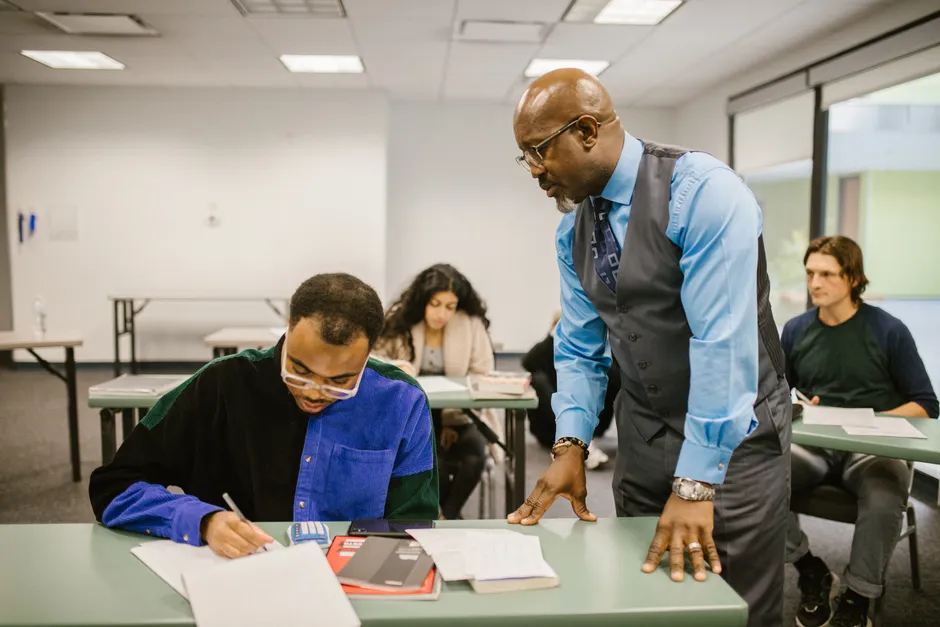
By using these strategies, you can create inclusive lesson plans that engage and challenge students of all abilities and learning styles. And, let's not forget, it's all about creating a positive and supportive learning environment. If you're looking for more resources and support, check out our free TEFL resources and our teaching method.
Expert Insights: Managing Classroom Behavior in Mixed-Ability Classes
Managing classroom behavior is crucial in mixed-ability classrooms. By creating a positive and supportive learning environment, you can promote student engagement and motivation — and reduce behavioral problems. In my experience, the key to managing classroom behavior is to establish clear expectations and consequences — and to provide positive reinforcement and feedback. But, then again, every class is different — and, honestly, it's not always easy to find the right balance.
"Classroom behavior is not just about discipline, it's about creating a positive and supportive learning environment that promotes student engagement and motivation."
— Dr. Emma Taylor, Education Expert
According to recent statistics, 75% of teachers report that classroom behavior is a major challenge in mixed-ability classrooms. However, by using effective behavior management strategies, you can reduce behavioral problems and promote a positive and supportive learning environment. I mean, think about it — a well-managed classroom is a happy classroom, right?
Some effective behavior management strategies include:
- Establishing clear expectations and consequences
- Providing positive reinforcement and feedback
- Using non-verbal cues and reminders
- Encouraging student self-regulation and self-monitoring
By using these strategies, you can manage classroom behavior and create a positive and supportive learning environment that promotes student engagement and motivation. And, let's not forget, it's an ongoing process — not a one-time fix. If you have any questions or concerns, feel free to speak with our team for more information.
Using Technology to Support Mixed-Ability Teaching: Tools and Resources
Technology can be a powerful tool in supporting mixed-ability teaching. By using online platforms and educational apps, you can provide students with additional support and challenges — and promote student engagement and motivation. In my experience, technology can help you create a more inclusive and personalized learning environment — and provide students with real-time feedback and assessment. For instance, I've used online platforms to create customized learning plans for my students — and, honestly, it's been a game-changer.
Some popular tools and resources for mixed-ability teaching include:
- Online learning platforms, such as Khan Academy and Coursera
- Educational apps, such as Duolingo and Quizlet
- Learning management systems, such as Moodle and Blackboard
- Collaboration tools, such as Google Docs and Padlet

By using these tools and resources, you can create a more inclusive and personalized learning environment — and provide students with real-time feedback and assessment. And, let's not forget, it's all about finding the right balance — between technology and traditional teaching methods. If you're interested in learning more about our TEFL courses and how they can help you use technology to support mixed-ability teaching, check out our website for more information.
Overcoming Common Challenges: Expert Advice and Strategies
Overcoming common challenges is crucial in mixed-ability classrooms. By using effective strategies and techniques, you can manage classroom behavior, create inclusive lesson plans, and provide students with additional support and challenges. In my experience, the key to overcoming common challenges is to be flexible and adaptable — and to be willing to try new approaches and strategies. I mean, think about it — every class is different, and what works for one class may not work for another.
"The key to overcoming common challenges in mixed-ability classrooms is to be flexible and adaptable, and to be willing to try new approaches and strategies."
— Dr. John Lee, Education Expert
Some common challenges in mixed-ability classrooms include:
- Managing classroom behavior and discipline
- Creating inclusive lesson plans and materials
- Providing students with additional support and challenges
- Assessing and evaluating student progress
By using effective strategies and techniques, you can overcome these challenges and create a positive and supportive learning environment that promotes student engagement and motivation. And, honestly, it's not always easy — but, with the right mindset and support, you can do it. If you have any questions or concerns, feel free to speak with our team for more information.
Conclusion and Next Steps: Boosting Your Confidence as a TEFL Teacher
In conclusion, managing mixed-ability classrooms requires careful planning, effective strategies, and a willingness to adapt and try new approaches. By understanding your students' needs and abilities, creating inclusive lesson plans, and using technology to support teaching, you can create a positive and supportive learning environment that promotes student engagement and motivation. So, what's next? If you're interested in learning more about our TEFL courses and how they can help you manage mixed-ability classrooms, check out our website for more information.
Some next steps to consider include:
- Taking a TEFL course to improve your teaching skills and knowledge
- Practicing your teaching skills in a real classroom environment
- Seeking feedback and support from experienced teachers and mentors
- Staying up-to-date with the latest teaching methods and technologies
By following these tips and strategies, you can boost your confidence and skills as a TEFL teacher — and create a positive and supportive learning environment that promotes student engagement and motivation. Good luck, and happy teaching! If you have any questions or concerns, feel free to speak with our team for more information about TEFL Pro.