
How to Effectively Manage a Mixed-Ability Classroom as a UK TEFL Teacher
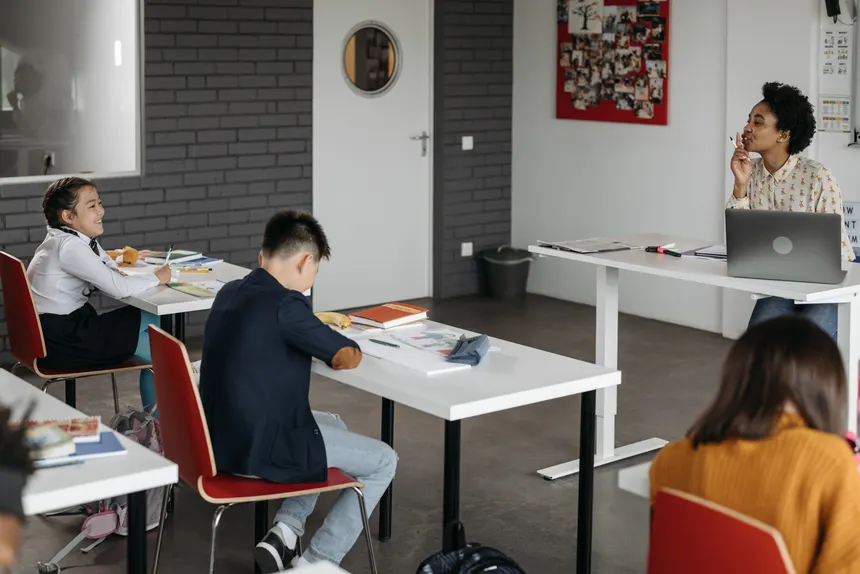
Understanding the Dynamics of Mixed-Ability TEFL Classrooms

- Vocabulary all over the place - a few know idioms, others can barely manage “go”
- Big confidence range - some never stop talking, others almost never speak up
- Different speeds - some finish before you explain, others need a lot more time
- Cultural mix - everyone comes in with their own ideas about learning
- Unpredictable rosters - students mid-term joining or groups mashed together when numbers drop
Key Strategies to Engage Different Levels of Learners

- Flexible lesson planning: Set your main activity, but have “need a challenge?” or “need some help?” options ready. Early finishers keep busy, others don’t need to feel like they’re lagging behind.
- Pair and group work: Change up the pairs and groups. Let stronger students support the others sometimes, but don’t stick with the same combos forever. And sometimes, splitting levels up avoids one kid doing all the heavy lifting.
- Open-ended tasks: Let students answer at their own level. Instead of “fill this gap”, try “tell me about your last holiday”. Way less pressure, lots more variety.
- Scaffolded instructions: Give extra hints or models for those who need them. For your high-flyers, make them dig deeper or add a twist.
- Use visuals and realia: Pictures, props, gestures - these all bridge language gaps. Makes your instructions clearer for everyone. And it keeps things fun, trust me.
Pro Tip: Back in Madrid, I always kept a “fast-finisher folder” stuffed with comic strips, vocab puzzles, little creative writing bits. The early birds grabbed one and got on with it - so I could actually help the ones who were really stuck, instead of fighting off boredom complaints.
After six years helping teachers settle in, I can say: the ones who do well with mixed-ability classes don’t panic and try to squash the differences. They just expect it, plan for it, and sometimes let the group surprise them.
And if you need extra inspiration, you’ll find activity ideas in our free TEFL resources - worth a browse on a Sunday night!
Comparing Differentiation Techniques for TEFL Teachers
You’ll hear “differentiation” everywhere, especially if you’ve taught in the UK. But not every clever technique works when you’re sweating through a lesson with 30 teens in Bangkok (been there). Here’s a side-by-side of the popular approaches:| Technique | Pros | Cons | Best for |
|---|---|---|---|
| Task Layering | Simple to set up; students pick their challenge | Fast learners finish in minutes; weaker students might feel lost without support | Mixed classes where some can work alone |
| Tiered Worksheets | One activity, lots of levels | Takes ages to prep; can make weaker students feel obvious (not always great) | Small groups, or days when you’ve got prep time |
| Open-Ended Projects | Everyone pitches in and gets creative | Can go off track; tricky to check who’s learnt what | Teens, adults, or when you want team vibes |
| Peer Tutoring | Confidence boost; less teacher-centred; helps big classes | High-level students can run the show; not great if ability gaps are massive | Big or boisterous groups, or when you need to step back |
| Ability Grouping | Easy to set specific targets; you can spot progress | Groups can get cliquey; swapping people around isn’t always easy | Short-term grammar or skills focus |
Classroom Management Tools for Mixed-Ability Success
Let’s be real: the right tools can totally save your nerves. I’ve watched teachers in Seoul do absolute magic with nothing but a stopwatch and some coloured cards. Others love fancy apps. The trick? Only pick tools that make your day easier, not harder. Here are a few digital and “back to basics” tools I’ve seen work:- Classroom timers (apps or old-school): Keeps everyone moving and helps stagger finish times so no one’s just sitting around
- Colour-coded cards: Great for quickly making groups or showing task difficulty (“red” for a challenge, “yellow” for the main task, “green” for extra support)
- Interactive whiteboards: You can tweak tasks, show different examples, or highlight key points as you go
- Online quiz platforms: Think: Kahoot, Quizlet - brilliant for team games with mixed levels
- Mini whiteboards for students: Quick answers, less embarrassment, easy way to see who “gets it”
- Exit tickets: Get students to jot a quick note or answer on their way out - super for feedback and fast assessment
Pro Tip: In my first primary school job in Guangzhou, I gave every kid a “traffic light” card. Green = “I’m fine”, yellow = “I might need help”, red = “No idea what’s going on!” That’s how I worked out my quietest student was totally lost. Honestly, simple feedback like that beats long written tests almost every time.
Not every school’s packed with the latest gear. Sometimes, all you really need is a decent whiteboard, some post-its, and a willingness to try new things. If you find something that works, stick to it.
Supporting Mixed-Ability Students Online vs In-Person

- Online, you can send different tasks to each student privately. In person, it’s all out in the open.
- Breakout rooms (Zoom, Teams, whatever) make it easy to group by level for a little while, then bring everyone back together after.
- Instant feedback - polls, chat, reactions give quiet students a way to join in without putting them on the spot
- Screen fatigue is no joke - keep things short and hands-on
- In person, you can physically move students around, shuffle papers, or spot confusion just by looking around
Pro Tip: When I teach adults online, I start everyone with a core task in the main Zoom room, then share “challenge” options in a separate doc for anyone who wants to push themselves. Beginners can stick with the basics. And I always keep video on so I can spot those “uh-oh, I’m lost” faces from a mile away.
Here’s how to tweak your approach for each:
- Online: Use breakout rooms for grouping, let students ask questions in the chat, and share extra worksheets through links
- In-Person: Walk the room, use colour cards, and have quick extension worksheets ready to hand out
Expert Insights: What Seasoned TEFL Teachers Recommend
Don’t just take my word for all this. I’ve got colleagues in 50+ countries who’ll back me up. Here’s what the numbers - and some real teachers - say about handling mixed-ability classes.A TEFL Pro survey from 2023 showed 81% of new teachers found “differentiation” the hardest thing at the start. But after six months? Around two-thirds said it was “manageable” or even “fun” - as long as they got support. What made the difference? Mentors, sharing ideas, and learning not to obsess about perfection. Here’s the distilled wisdom from experienced TEFL teachers:"The most effective TEFL teachers aren’t the ones with the fanciest materials, but those who can adapt in real time. If you notice your lowest-level student is lost, or your top student is bored, tweak your plan on the spot. That’s real teaching."
- Helen F., Senior Trainer, TEFL Pro
- Keep instructions short and sweet. Repeat, point, or draw if you need to.
- Let students help each other out, just don’t let the same ones take charge every time.
- Don’t be scared to stop and regroup if your plan’s going off the rails.
- Celebrate any progress. If your shyest student answers once, that’s a win.
For more real stories and tips, our free TEFL resources are full of case studies straight from teachers in the field."My best classes were always the messiest. The students who struggled the most often taught me the most about patience and creativity."
- Jamie L., TEFL Pro Graduate, now teaching in Seoul
Avoiding Burnout: Self-Care and Mindset for TEFL Career Changers
Here’s a truth no one says up front: juggling a mixed-ability class can really tire you out. Especially if you’re fresh from a London office job, and now you’re standing in a noisy Lima classroom. The urge to plan 20 custom tasks, mark everything, and blame yourself if someone doesn’t “get it”... it’s strong. But you can’t run on empty for long. I learnt that the hard way in my first year. I remember feeling frustrated with my “tricky” students, then realised I just needed a break. So, I started looking after myself. Honest game changer.
Pro Tip: Put a firm limit on lesson planning time. If it’s past 9pm and you’re still writing worksheets, stop. One less activity won’t hurt anyone. But running yourself ragged definitely does.
The experts say it too: your resilience comes from boundaries, not being busy.
Little things that help:"Teacher burnout isn’t caused by tough classes, but by unrealistic expectations. Set small, achievable goals for each lesson, and let some things go. The students will benefit from a happier, more relaxed teacher."
- Dr. Olivia Shah, Educational Psychologist
- Share resources with your colleagues - honestly, no need to reinvent the wheel
- Write down wins - just one or two little victories each week
- Ask for help when you need it - your school, or speak with our team
- Take mini breaks - even stepping outside for a couple of minutes makes a difference
- Remember why you started (I write this at the bottom of my planner on bad days)